

In an increasingly convenience-driven and design-conscious market, packaging has become a key differentiator, influencing both purchasing decisions and user experience.
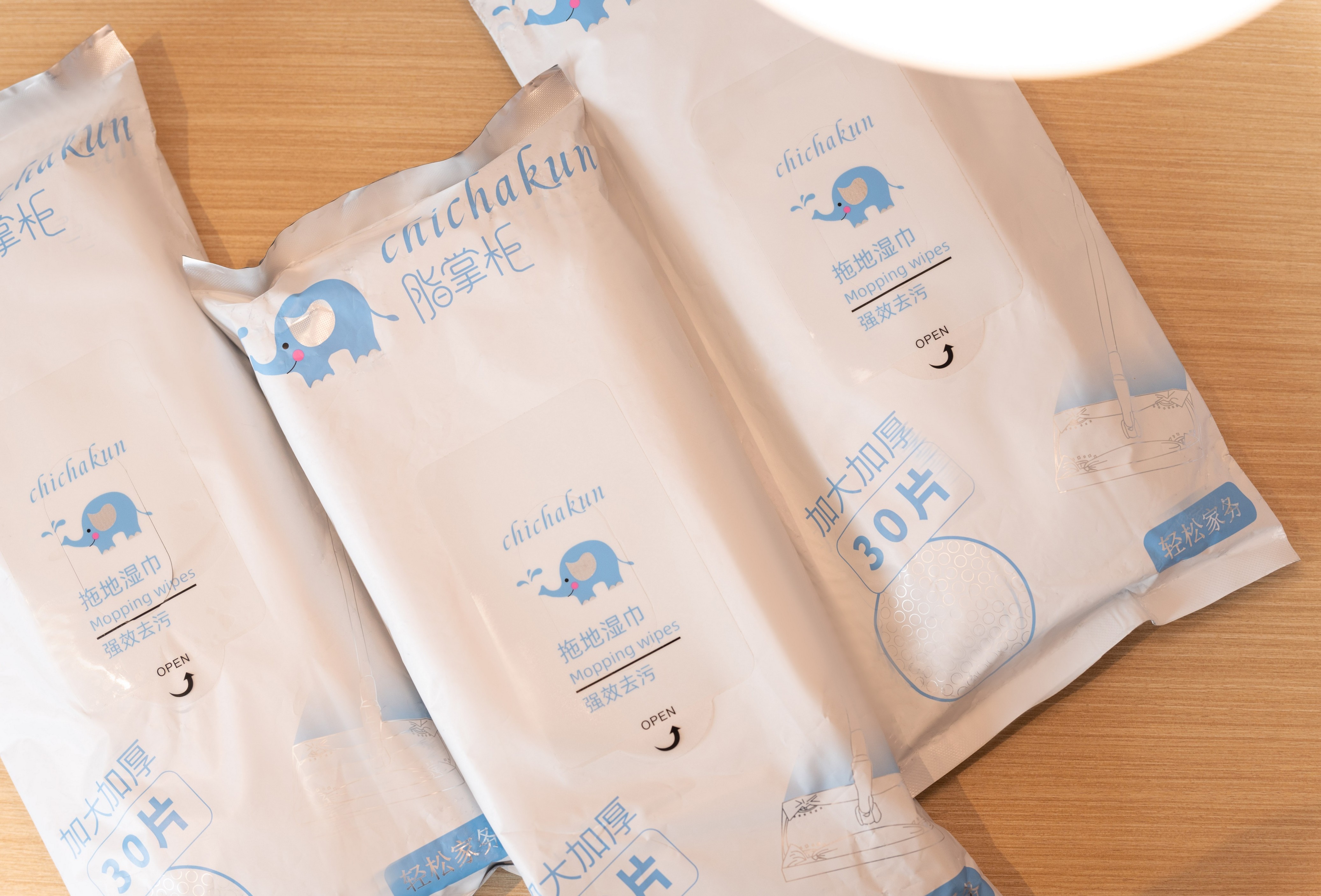
The Rise of Single-Pack Convenience
One of the most notable trends in recent years is the growing popularity of single-sheet or small-count packaging formats. These compact designs cater to modern lifestyles that prioritize portability and minimalism.
Single-use packs are particularly appealing to consumers who are constantly on the move. Whether commuting, traveling, or attending outdoor events, users prefer lightweight options that can easily fit into pockets, handbags, or backpacks.
Products like baby cleaning wipes are increasingly available in small, travel-friendly formats, allowing parents to carry just the right amount for short outings. Similarly, toilet flushable wipes packaged in compact units are gaining traction among travelers seeking improved hygiene in public restrooms.
Even in niche categories, such as pet wipes, smaller packs are proving popular among pet owners who need quick cleaning solutions during walks or trips.
Resealable Packaging: Extending Freshness and Usability
While single-use packs address portability, resealable packaging focuses on longevity and convenience at home. Traditional adhesive seals are being replaced or enhanced by more durable solutions, including plastic flip-top lids and multi-layer closures.
These innovations are particularly important for products that are used frequently over time, such as kitchen cleaning wipes and baby cleaning wipes. Maintaining moisture is critical to product performance, and improved sealing mechanisms help prevent drying out.
Resealable designs also enhance hygiene by minimizing exposure to air and contaminants. For families and households, this added layer of protection is a key selling point.
In addition, ease of use plays a major role. Consumers increasingly expect one-handed operation and smooth dispensing, features that modern packaging designs are striving to deliver.
Design Meets Functionality
Beyond practicality, packaging is becoming an important element of brand identity. Clean, minimalist designs and premium materials are helping brands position their products as part of a modern, refined lifestyle.
For example, baby cleaning wipes often feature soft color palettes and reassuring visual cues that emphasize safety and gentleness. In contrast, kitchen cleaning wipes may use bold, functional designs that highlight strength and effectiveness.
Meanwhile, toilet flushable wipes packaging tends to focus on portability and discretion, appealing to consumers who value convenience and privacy.
For pet wipes, packaging frequently incorporates playful or lifestyle-oriented elements, reflecting the emotional connection between pet owners and their animals.
This combination of aesthetics and functionality is increasingly important in a competitive market where consumers are influenced by both visual appeal and usability.
Sustainability: The Next Frontier in Packaging
As packaging innovation accelerates, sustainability has emerged as a critical concern. Single-use plastics and multi-layer materials, while effective, have raised environmental questions among consumers and regulators.
Manufacturers are responding by exploring eco-friendly alternatives, including recyclable materials, reduced plastic usage, and biodegradable packaging options. Refillable systems and bulk packaging are also being tested as ways to minimize waste.
For widely used products like kitchen cleaning wipes and toilet flushable wipes, balancing convenience with environmental responsibility is a key challenge. Consumers increasingly expect brands to provide solutions that align with their sustainability values.
E-Commerce and the Importance of Packaging
The growth of e-commerce has further amplified the importance of packaging. Products must now withstand shipping while also delivering a positive unboxing experience.
Durable, leak-proof designs are essential to prevent damage during transit. At the same time, visually appealing packaging can enhance brand perception and encourage repeat purchases.
Online platforms also favor packaging that communicates key product benefits clearly, helping items like baby cleaning wipes and pet wipes stand out in crowded digital marketplaces.
Consumer Behavior Driving Innovation
Ultimately, packaging innovation is being driven by changing consumer behavior. Today’s buyers are more informed, more mobile, and more demanding than ever before.
They expect products to fit seamlessly into their daily lives—whether that means a single wipe for quick use on the go or a resealable pack that stays fresh over time.
The popularity of products like pet wipes, kitchen cleaning wipes, toilet flushable wipes, and baby cleaning wipes reflects this shift. Packaging is no longer an afterthought; it is a core component of the product experience.
Conclusion
From single-sheet convenience to advanced resealable designs, packaging innovation is redefining the wet wipes industry. These changes are enhancing usability, extending product life, and strengthening brand differentiation.
As the market continues to evolve, the focus will increasingly shift toward sustainable solutions that do not compromise on performance or convenience.
In this dynamic landscape, packaging is more than just a container—it is a critical bridge between product and consumer, shaping how hygiene products are used, perceived, and valued in everyday life.