

As expectations rise, the hygiene industry is entering a new phase defined by premiumization, product segmentation, and innovation.
From Basic Cleanliness to Lifestyle Upgrade
Traditionally, hygiene products were designed to meet fundamental needs—removing dirt and maintaining basic sanitation. However, today’s consumers are no longer satisfied with “just clean.” Instead, they are pursuing a more refined standard that emphasizes comfort, safety, and sensory experience.
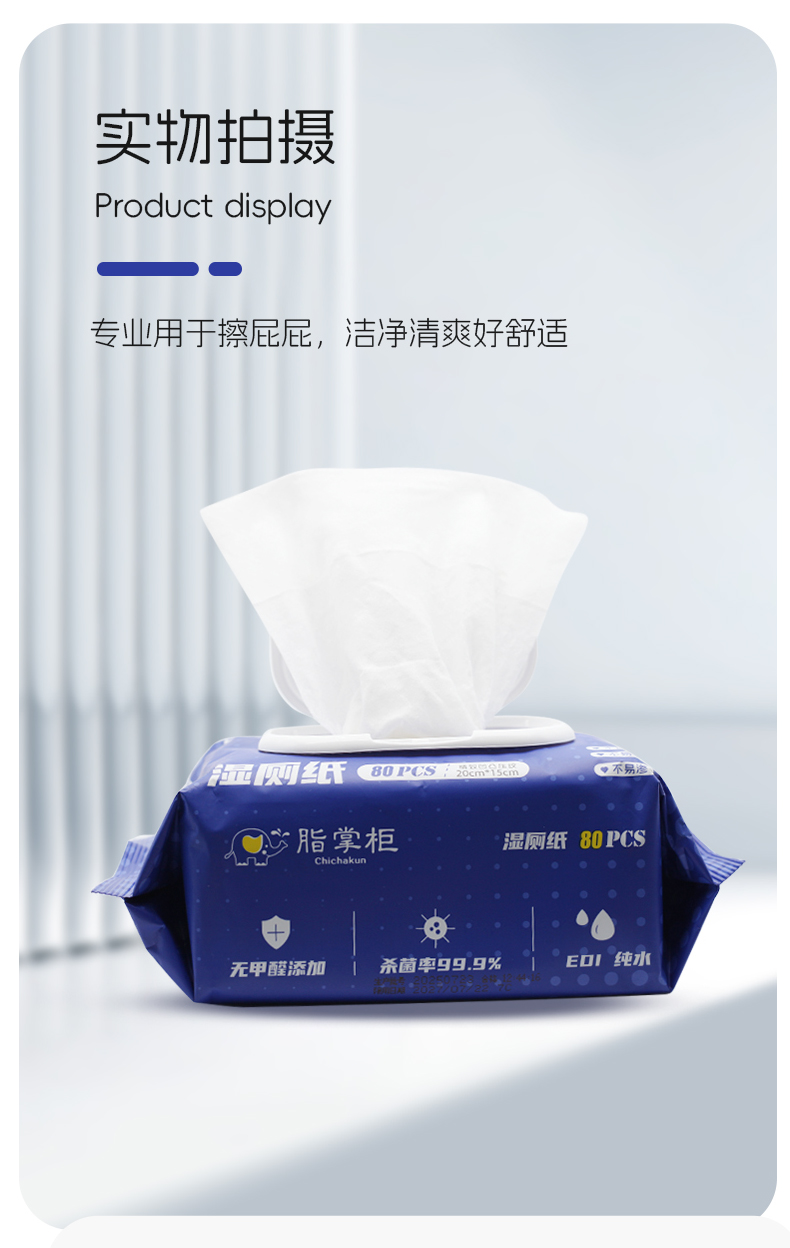
This evolution is particularly evident in the growing demand for wet wipes. Products like toilet flushable wipes are increasingly viewed as upgrades to traditional toilet paper, offering enhanced cleanliness and a more comfortable user experience.
Similarly, baby cleaning wipes, once limited to infant care, are now widely used by adults for facial cleansing, hand hygiene, and sensitive skin care. Their gentle formulations and skin-friendly ingredients align with the broader trend of treating hygiene as an extension of personal wellness.
The Influence of Health Awareness and Self-Care
Heightened awareness of health and hygiene—accelerated by the COVID-19 pandemic—has played a significant role in shaping consumer behavior. Cleanliness is no longer just about appearance; it is closely linked to physical well-being and disease prevention.
At the same time, the rise of self-care culture has transformed everyday routines into opportunities for personal indulgence. Consumers are seeking products that not only perform well but also provide a sense of comfort and reassurance.
This is reflected in the popularity of premium baby cleaning wipes, which emphasize hypoallergenic formulas, high water content, and dermatological testing. Even outside of parenting contexts, these products are valued for their perceived safety and quality.
Expanding Categories and Specialized Products
The concept of refined hygiene is also driving product diversification. Manufacturers are developing targeted solutions for specific use cases, moving beyond one-size-fits-all offerings.
For instance, the growing pet economy has led to increased demand for pet wipes, which allow owners to maintain their pets’ cleanliness while also ensuring a hygienic home environment. These products are often formulated to be gentle yet effective, reflecting the same standards applied to human hygiene products.
Meanwhile, toilet flushable wipes are evolving with improved materials and formulations designed to balance performance with environmental considerations. Their convenience and effectiveness make them a key component of modern hygiene routines.
This trend toward specialization highlights how consumers are seeking products that align with their specific lifestyles and needs.
The Role of Packaging and User Experience
In the era of refined hygiene, packaging and design play a crucial role in influencing purchasing decisions. Consumers are drawn to products that are not only functional but also aesthetically pleasing and easy to use.
Resealable lids, minimalist designs, and portable packaging formats enhance convenience while reinforcing a premium image. For products like pet wipes and baby cleaning wipes, packaging often emphasizes safety, cleanliness, and ease of access.
User experience has become a key differentiator, with brands investing in features that improve usability and maintain product freshness.
Digital Culture and Social Influence
Social media platforms are amplifying the refined hygiene trend by promoting clean, organized, and aesthetically pleasing lifestyles. Influencers and content creators frequently share routines that highlight the importance of maintaining a high standard of cleanliness.
This visibility has contributed to the normalization of carrying hygiene products in daily life. Items such as toilet flushable wipes and baby cleaning wipes are often featured in “daily essentials” or “what’s in my bag” content, reinforcing their role as must-have items.
The integration of hygiene into lifestyle content has blurred the line between necessity and aspiration, further driving demand for premium products.
Sustainability Challenges and Consumer Expectations
As the refined hygiene trend continues to grow, sustainability has become an increasingly important consideration. Consumers are not only seeking high-performance products but also expecting brands to address environmental concerns.
Wet wipes, including pet wipes and toilet flushable wipes, have faced criticism for their environmental impact, particularly in terms of waste and material composition. In response, manufacturers are exploring biodegradable fabrics, reduced plastic packaging, and more transparent labeling.
Balancing convenience with environmental responsibility is one of the key challenges facing the industry as it moves forward.
Market Outlook: Premiumization as a Growth Driver
The shift toward refined hygiene is expected to drive sustained growth in the global hygiene market. Premium products, characterized by better ingredients, improved functionality, and enhanced user experience, are gaining a larger share of consumer spending.
Categories such as baby cleaning wipes, pet wipes, and toilet flushable wipes are at the forefront of this transformation, reflecting broader changes in how consumers approach cleanliness and self-care.
As competition intensifies, brands that can deliver both quality and innovation while addressing sustainability concerns will be best positioned to succeed.
Conclusion
The rise of refined hygiene marks a fundamental shift in consumer behavior, transforming everyday cleaning routines into expressions of lifestyle and personal values.
From the growing popularity of baby cleaning wipes to the increasing adoption of pet wipes and toilet flushable wipes, the market is evolving to meet higher expectations for comfort, safety, and convenience.
In this new era, hygiene is no longer just about staying clean—it is about living well.