

From daily commutes to outdoor adventures, wet wipes have quietly become an indispensable item for young consumers. Once considered a niche hygiene product, they are now a staple in backpacks, handbags, and office drawers. Whether it’s baby cleansing wipes used beyond childcare or pet wipes carried by pet owners on the go, the growing reliance on wipes reflects a broader shift in lifestyle, hygiene expectations, and consumer behavior.
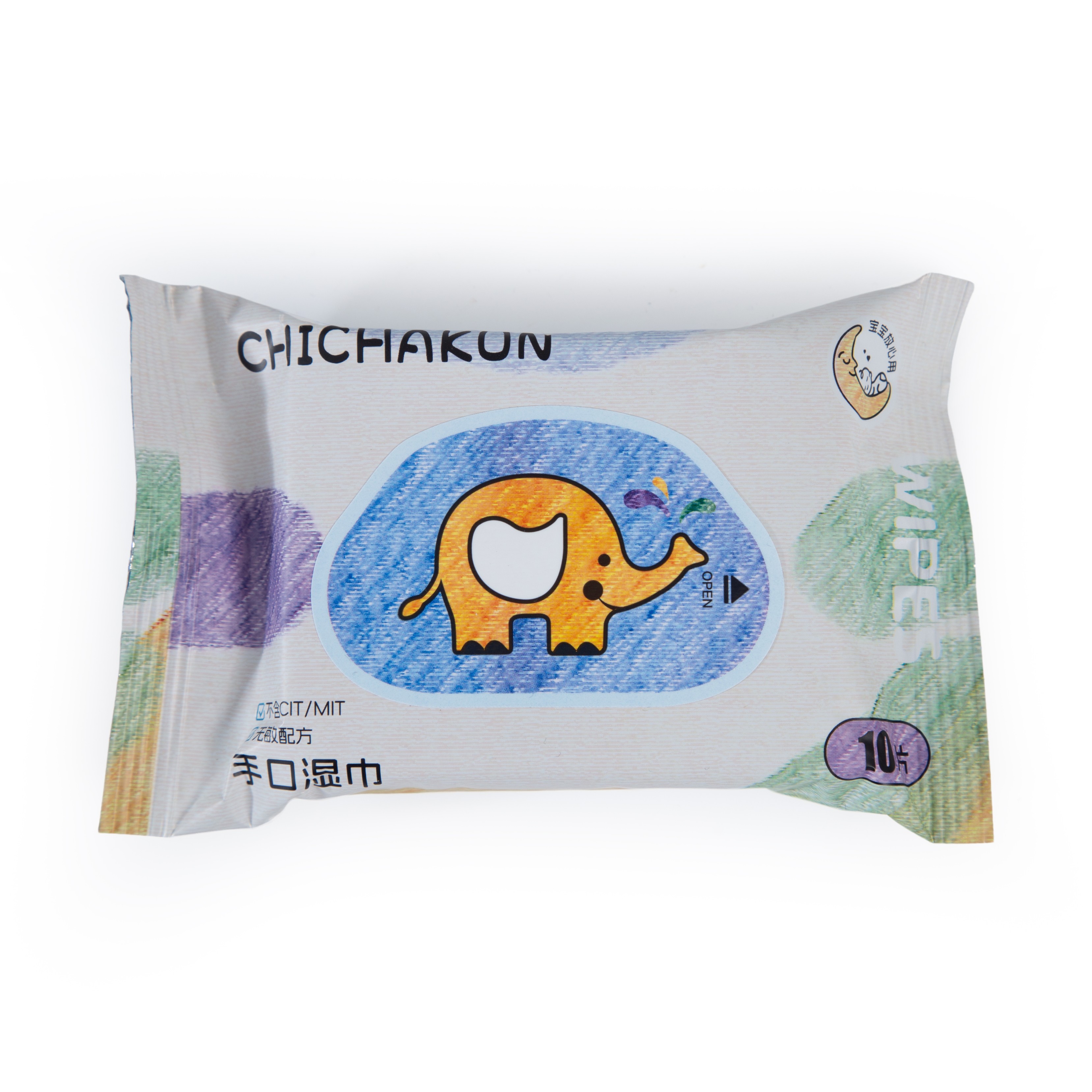
So why are young people increasingly unable to live without wet wipes? The answer lies at the intersection of convenience, health awareness, and evolving cultural norms.
The Rise of “On-the-Go” Hygiene
Modern lifestyles are faster and more mobile than ever. Young consumers are constantly moving—between work, social activities, travel, and fitness routines. In this context, wet wipes offer an instant solution for maintaining cleanliness anytime, anywhere.
Unlike traditional tissues or handkerchiefs, wet wipes provide both moisture and cleaning power. This makes them ideal for a wide range of uses, from wiping hands before meals to freshening up after a workout.
Interestingly, products like baby cleansing wipes are no longer limited to parents. Many young adults prefer them for their gentle formulations and skin-friendly ingredients. Similarly, pet wipes have become essential for pet owners who want to keep their animals clean during walks or trips without the hassle of bathing.
Heightened Hygiene Awareness Post-Pandemic
The global pandemic significantly reshaped attitudes toward personal hygiene. For many young consumers, cleanliness is no longer optional—it is a daily priority.
Wet wipes, especially disinfectant variants, saw a surge in demand during and after the pandemic. Even as the immediate crisis has eased, the habit of carrying wipes has persisted.
This shift extends to specialized products as well. Baby cleansing wipes, known for being gentle and safe, are often used by adults for facial cleaning or sensitive skin care. Meanwhile, pet wipes are increasingly used not just for cleaning pets but also for maintaining hygiene in shared living spaces.
The result is a normalization of frequent, portable cleaning—something that aligns perfectly with the functionality of wet wipes.
A Symbol of “Refined Living”
Among younger generations, especially urban consumers, wet wipes have taken on a cultural meaning beyond hygiene. They are often associated with a sense of order, cleanliness, and “refined living.”
Carrying wet wipes signals preparedness and attention to detail. Whether it’s cleaning a café table before sitting down or wiping down gym equipment, these small actions reflect a broader desire for control over one’s environment.
In this context, premium products such as fragrance-free baby cleansing wipes or eco-friendly wet wipes are seen as lifestyle choices rather than mere necessities. Even pet wipes are part of this trend, as pet care becomes an extension of personal identity and responsibility.
Social Media and Influencer Culture
Social media platforms have played a major role in popularizing wet wipes among young consumers. Influencers frequently showcase their daily routines, travel essentials, and “what’s in my bag” content—often featuring various types of wipes.
These platforms also amplify product reviews and recommendations, making it easier for consumers to discover new brands and specialized products. For example, baby cleansing wipes are often recommended for makeup removal due to their gentle nature, while pet wipes are highlighted in pet care tutorials.
The visual and practical appeal of wet wipes—compact packaging, easy use, and immediate results—makes them highly shareable content, further driving their popularity.
Expanding Use Cases Across Daily Life
One of the key reasons behind the growing dependence on wet wipes is their versatility. Young consumers are finding new ways to integrate them into everyday routines.
Common uses include:
- Cleaning hands and surfaces during commutes
- Removing makeup or refreshing skin
- Wiping down electronics such as phones and keyboards
- Cleaning shoes or bags on the go
- Maintaining hygiene for pets using pet wipes
Even baby cleansing wipes, originally designed for infants, are now widely used for general personal care due to their softness and safety.
This multi-functionality reduces the need for multiple products, making wet wipes a convenient all-in-one solution.
The Influence of Urban Living
Urban environments often come with challenges such as crowded public spaces, limited access to clean facilities, and increased exposure to pollutants. For young people living in cities, wet wipes provide a practical way to maintain hygiene in less-than-ideal conditions.
Public transportation, shared workspaces, and dining out all create scenarios where immediate cleaning solutions are valuable. In such settings, wet wipes offer a sense of security and comfort.
Pet ownership in urban areas also contributes to the demand for pet wipes, as pet owners seek convenient ways to clean their animals after outdoor activities.
Concerns and Conscious Consumption
Despite their popularity, young consumers are increasingly aware of the potential downsides of wet wipes, particularly in terms of environmental impact.
Many are seeking eco-friendly alternatives, such as biodegradable wet wipes or products made from plant-based materials. This trend is also influencing the baby cleansing wipes and pet wipes segments, where sustainability is becoming a key selling point.
At the same time, there is growing attention to ingredient safety. Consumers are carefully reading labels, avoiding harsh chemicals, and choosing products that align with their values.
Conclusion
The growing reliance on wet wipes among young consumers is not just a passing trend—it reflects deeper changes in how people live, move, and think about hygiene.
From the widespread use of baby cleansing wipes for gentle personal care to the increasing demand for pet wipes in modern pet ownership, these products have become integral to daily routines. Their convenience, versatility, and alignment with contemporary lifestyles make them uniquely suited to the needs of a fast-paced, hygiene-conscious generation.
As the market continues to evolve, the challenge for manufacturers will be to balance performance with sustainability and safety. For young consumers, wet wipes are more than just a practical tool—they are a symbol of modern living, where cleanliness, convenience, and consciousness go hand in hand.