

A Lifestyle Upgrade Driven by Convenience
For Gen Z and millennials, hygiene is no longer just about basic cleanliness—it is about efficiency, portability, and enhanced user experience. Wet wipes offer a level of convenience that dry tissues simply cannot match. Whether commuting, traveling, or dining out, young consumers are gravitating toward products that deliver quick, effective cleaning without requiring additional resources like water.
Unlike tissues, wet wipes provide moisture, which improves their ability to remove dirt, oil, and bacteria. This functional advantage has positioned them as a “premium upgrade” in daily hygiene routines. As a result, carrying a pack of wipes has become as common as carrying a smartphone.
Expanding Use Cases Across Daily Scenarios
Another key factor behind the rise of wet wipes is their versatility. Today’s market is no longer limited to general-purpose wipes. Instead, it offers a wide range of specialized products tailored to specific needs.
For example, baby cleaning wipes remain one of the most established categories, valued for their gentle formulations and safety standards. However, their use has expanded beyond infants, with many young adults choosing them for facial cleansing or sensitive skin care.
Meanwhile, the growing trend of pet ownership among younger generations has fueled demand for pet wipes, which provide a quick and convenient way to clean pets after outdoor activities. This reflects a broader shift toward treating pets as family members, with hygiene products evolving accordingly.
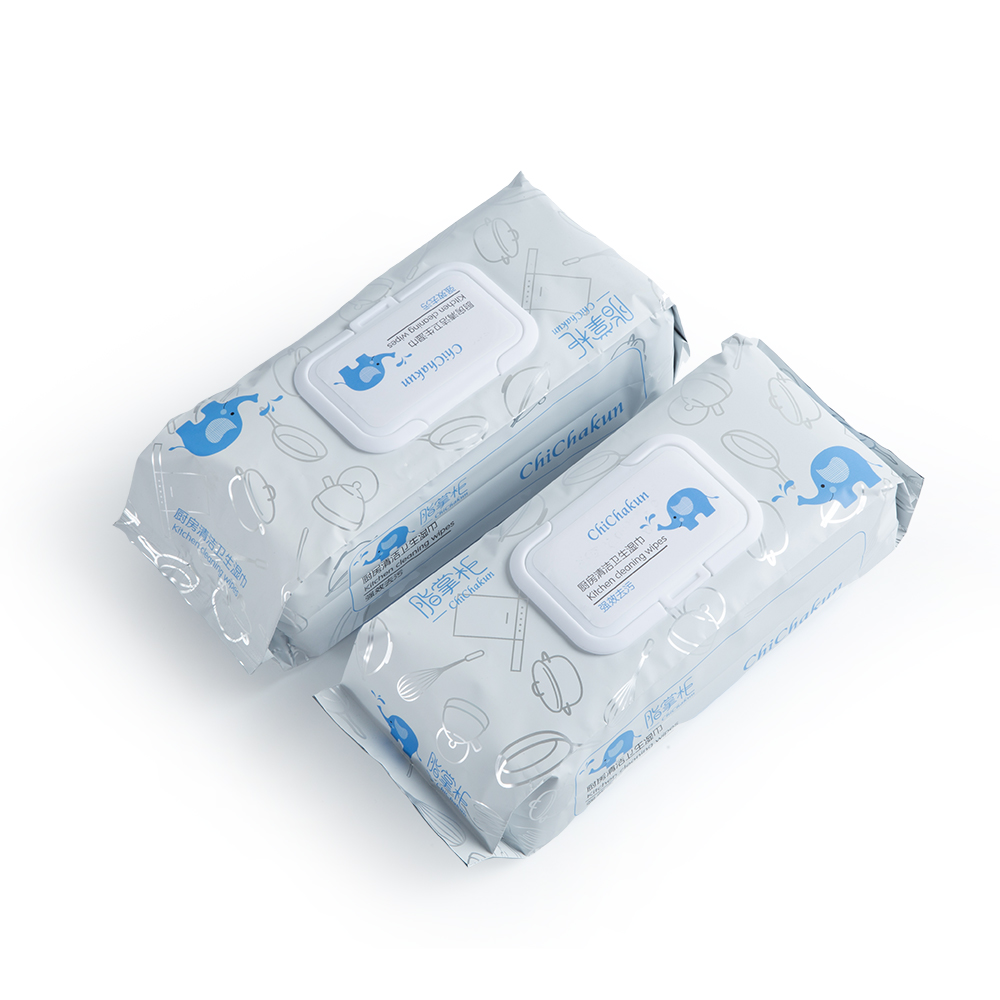
In the home, kitchen cleaning wipes have become a popular alternative to traditional cleaning methods. Designed to tackle grease, spills, and bacteria on surfaces, they appeal to busy individuals seeking time-saving solutions. Similarly, toilet flushable wipes are gaining traction as consumers prioritize a more thorough and comfortable personal hygiene experience compared to dry toilet paper.
The Influence of “Refined Hygiene” Culture
Social media and digital culture have also played a role in reshaping hygiene standards. Platforms like TikTok and Instagram have amplified the concept of “refined living,” where cleanliness is closely tied to self-care and personal well-being.
This cultural shift has encouraged young consumers to adopt more sophisticated hygiene practices. Wet wipes, with their perceived cleanliness and effectiveness, align perfectly with this mindset. They are no longer seen as optional products but as essential tools for maintaining a polished lifestyle.
Health Awareness and Post-Pandemic Behavior
The COVID-19 pandemic further accelerated the adoption of wet wipes. Heightened awareness of germs and hygiene led consumers to seek products that offer additional protection. Even as the pandemic subsides, these habits have persisted.
Wet wipes are often associated with better sanitation, especially in public or high-touch environments. For many young consumers, they provide peace of mind in situations where traditional tissues may feel insufficient.
Environmental Concerns and Industry Response
Despite their popularity, wet wipes are not without controversy. Environmental concerns, particularly around single-use products and non-biodegradable materials, have sparked debate. Improper disposal of wipes—especially those labeled as toilet flushable wipes—has also raised questions about infrastructure and sustainability.
In response, manufacturers are investing in eco-friendly innovations, including biodegradable materials and reduced plastic packaging. As environmental awareness grows among younger consumers, brands that prioritize sustainability are likely to gain a competitive edge.
A Market Poised for Continued Growth
The shift from tissues to wet wipes represents more than a simple product substitution—it signals a transformation in how hygiene is perceived and practiced. With increasing demand across categories such as baby cleaning wipes, pet wipes, kitchen cleaning wipes, and toilet flushable wipes, the industry is evolving rapidly to meet diverse consumer needs.
Looking ahead, the trend shows no signs of slowing down. As young consumers continue to prioritize convenience, hygiene, and quality of life, wet wipes are set to remain a central part of modern daily routines.
In this new era of “enhanced cleanliness,” the humble wipe has emerged as a symbol of changing habits—one that reflects the values and expectations of a new generation.