

Introduction
In recent years, wet wipes have evolved from a simple hygiene product into an essential part of daily life for millions of consumers worldwide. From baby cleansing wipes used by parents to pet wipesfavored by pet owners, the category has expanded rapidly, driven by convenience, health awareness, and changing lifestyles. However, as demand continues to grow, questions surrounding safety, environmental impact, and product innovation are increasingly coming into focus.
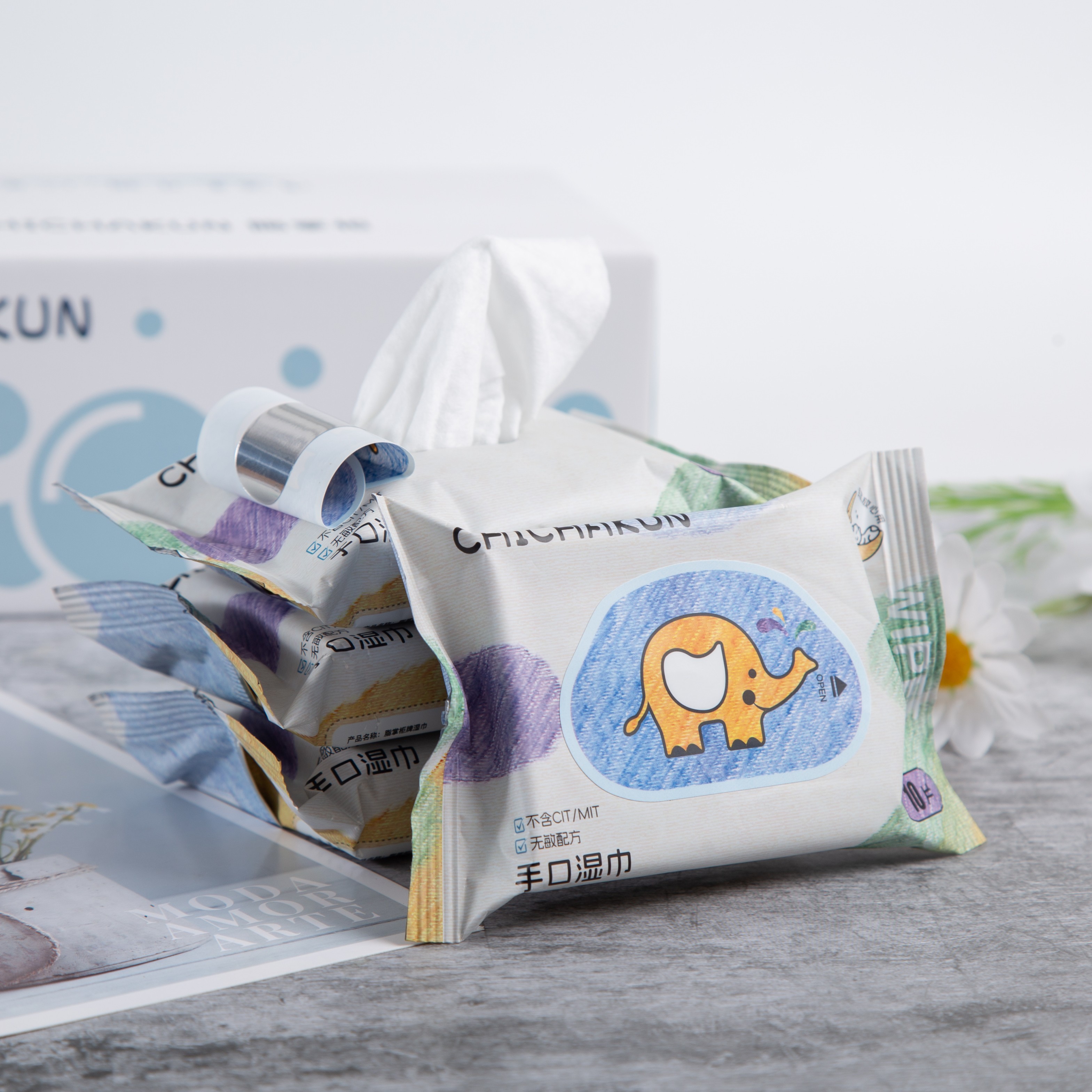
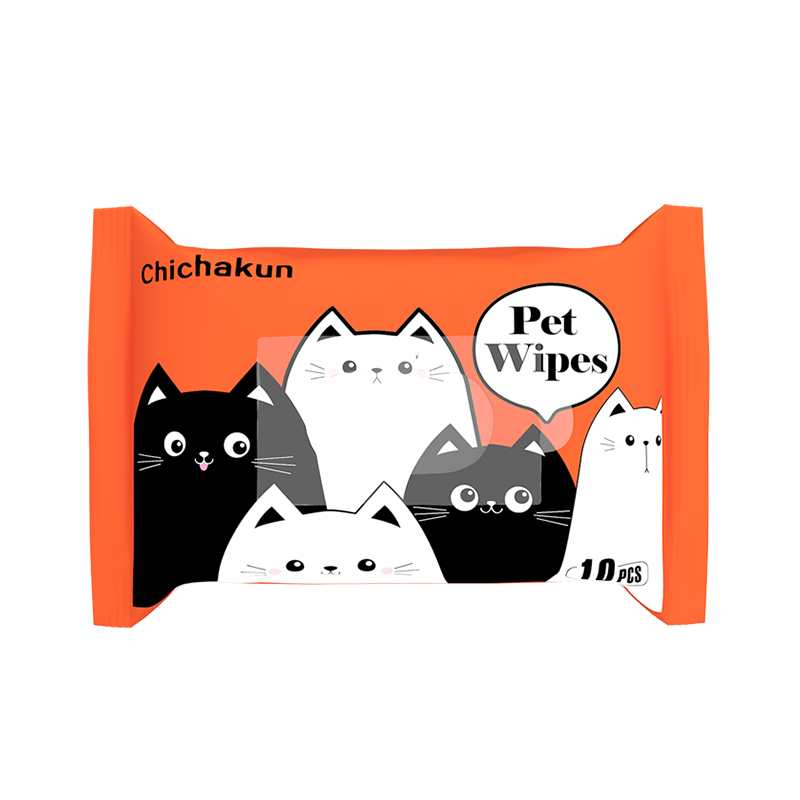
A Booming Market Driven by Lifestyle Changes
The global demand for wet wipes has surged significantly, fueled by urbanization, busy lifestyles, and heightened hygiene awareness. Consumers are looking for quick, portable solutions for cleanliness, whether at home, in transit, or outdoors.
Baby cleansing wipes remain one of the largest segments in the market. Parents value their convenience, especially for diaper changes and quick cleanups. Meanwhile, pet wipes have gained popularity alongside the rise of pet ownership, offering an easy way to maintain hygiene for animals without frequent bathing.
Additionally, niche categories such as makeup remover wipes, disinfectant wipes, and personal care wipes have further diversified the market. This segmentation reflects a broader trend: consumers are increasingly seeking specialized solutions tailored to specific needs.
Health and Safety Concerns Gain Attention
As wet wipes become more widely used, scrutiny over their ingredients and safety has intensified. Consumers are paying closer attention to product labels, particularly for baby cleansing wipes, where skin sensitivity is a major concern.
Experts highlight that not all wet wipes are created equal. Some products may contain alcohol, fragrances, or preservatives that can irritate sensitive skin. This has led to a growing demand for hypoallergenic, fragrance-free, and dermatologically tested options.
Similarly, pet wipes are now being formulated with pet-safe ingredients, as awareness increases about the differences between human and animal skin. Veterinarians often advise pet owners to avoid using regular wet wipes on animals unless specifically labeled as safe.
Regulatory bodies in several countries have also begun tightening standards, requiring clearer labeling and stricter safety testing. This shift is pushing manufacturers to improve transparency and product quality.
Environmental Impact Sparks Debate
One of the most pressing issues facing the wet wipes industry is environmental sustainability. Many traditional wet wipes are made from synthetic fibers that do not biodegrade easily, contributing to pollution and waste management challenges.
Reports of clogged sewage systems caused by so-called “flushable” wipes have raised concerns globally. Despite marketing claims, many of these products do not break down quickly enough in water systems, leading to infrastructure problems.
In response, manufacturers are investing in biodegradable materials and plant-based fibers. Eco-friendly baby cleansing wipes and pet wipes are becoming more widely available, often marketed as compostable or plastic-free. However, experts caution that not all “green” claims are fully verified, and consumers are encouraged to look for certified standards.
Governments and environmental organizations are also stepping in, advocating for stricter regulations and clearer definitions of what constitutes a biodegradable wipe.
Innovation and Product Development
Innovation is playing a key role in shaping the future of wet wipes. Companies are exploring new materials, improved formulations, and advanced packaging technologies to meet evolving consumer demands.
For example, some baby cleansing wipes now include natural ingredients such as aloe vera and chamomile, aimed at soothing delicate skin. Meanwhile, pet wipes are being developed with antibacterial properties and deodorizing functions, catering to pet hygiene needs.
Packaging innovation is another area of focus. Resealable lids, moisture-lock technology, and travel-friendly designs are enhancing user convenience while reducing product waste.
In addition, smart manufacturing processes and sustainable sourcing are becoming competitive differentiators. Brands that can balance performance, safety, and environmental responsibility are likely to gain a stronger foothold in the market.
E-commerce and Changing Consumer Behavior
The rise of e-commerce has significantly influenced how wet wipes are marketed and sold. Online platforms allow consumers to compare products, read reviews, and access a wider range of options than ever before.
Subscription services for essentials like baby cleansing wipes have become increasingly popular, offering convenience and cost savings for families. Similarly, pet owners are turning to online channels to purchase pet wipes in bulk.
Social media and influencer marketing are also shaping consumer preferences, with product recommendations and demonstrations driving brand visibility. This digital shift is encouraging companies to invest more in online branding and direct-to-consumer strategies.