


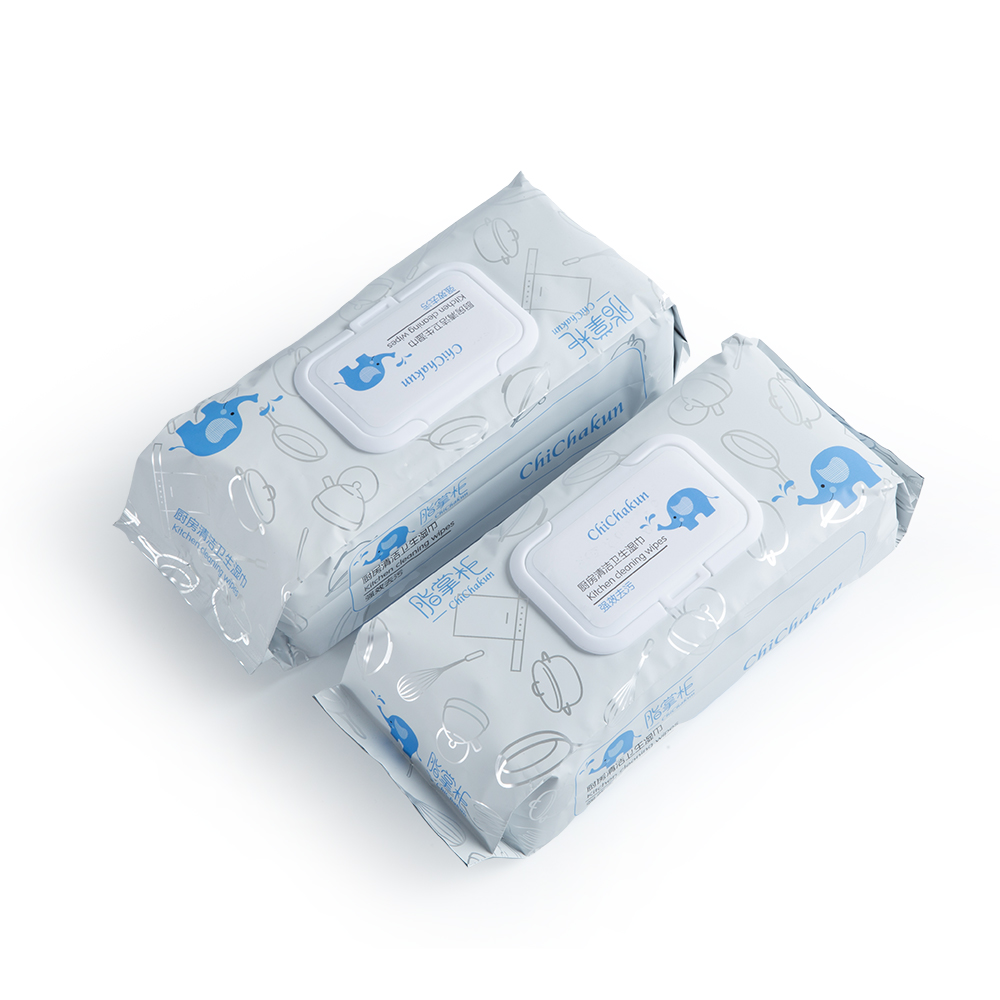
Japan is often regarded as one of the earliest adopters of disposable hygiene products. Known for its meticulous attention to cleanliness and product innovation, the Japanese market embraced wet wipes not only for personal care but also for household and public use.
From antibacterial wipes in restaurants to portable hygiene solutions in daily commuting, disposable products have become deeply integrated into everyday life. High-quality Facial Cleansing Wipes are also widely accepted, with brands focusing on skin-friendly ingredients, minimal irritation, and compact packaging.
In Japan, the emphasis is less on replacing traditional tools entirely and more on enhancing convenience while maintaining high standards of cleanliness.
South Korea: Skincare Innovation Drives Demand
In South Korea, the rise of the beauty and skincare industry has played a central role in popularizing disposable facial products. As one of the world’s most influential beauty markets, Korea has positioned Facial Cleansing Wipes as part of a broader, multi-step skincare routine.
Consumers in Korea are highly educated about ingredients and skin health, leading to demand for premium disposable facial towel products that are soft, hypoallergenic, and suitable for sensitive skin. The concept of hygiene is closely tied to skincare performance, making single-use products appealing for their perceived purity.
Additionally, strong digital marketing and beauty influencers have accelerated product adoption, turning disposable cleansing solutions into everyday essentials.
Europe and North America: From Mass Adoption to Sustainability Concerns
In Western markets, wet wipes have long been a staple, particularly in baby care, household cleaning, and personal hygiene. However, their development trajectory has recently shifted due to increasing environmental awareness.
While Facial Cleansing Wipes remain popular as makeup removers and travel-friendly products, there is growing scrutiny over single-use consumption. Governments and environmental organizations have raised concerns about waste, non-biodegradable materials, and improper disposal.
As a result, brands are now under pressure to innovate. Biodegradable materials, plastic-free formulations, and eco-friendly packaging are becoming key differentiators in the Western market.
At the same time, traditional reusable facial towel products continue to hold strong appeal, especially among environmentally conscious consumers.
Converging Trends in a Global Market
Despite regional differences, the global disposable cleaning products market is beginning to converge. Consumers across Japan, Korea, and Western countries now share common expectations: convenience, hygiene, skin safety, and sustainability.
Hybrid usage patterns are emerging. Many consumers use disposable options like Facial Cleansing Wipes for specific scenarios—such as travel, gym, or skincare routines—while maintaining reusable facial towel habits at home.
Technological advancements in materials, such as biodegradable fibers and dermatologically tested formulas, are also helping bridge the gap between convenience and environmental responsibility.
Looking Ahead
The future of disposable cleaning products will likely depend on how well brands balance performance with sustainability. While wet wipes and related products are unlikely to disappear, their evolution will be shaped by stricter regulations, informed consumers, and continuous innovation.
From Japan’s precision-driven market to Korea’s beauty-led demand and the West’s sustainability push, the development path of disposable cleaning products reflects a broader global shift—one that prioritizes both personal well-being and environmental impact.