

As global demand for convenient hygiene products continues to surge, the wet wipes industry is undergoing rapid expansion. Behind the shelves of supermarkets and the listings on e-commerce platforms lies a lesser-known but critical force driving this growth: OEM (Original Equipment Manufacturing) and ODM (Original Design Manufacturing).
From Facial Cleansing Wipes to Toilet Flushable Wipes and Mop Wipes, a significant portion of today’s products are not produced directly by the brands that sell them. Instead, they are manufactured by specialized partners operating behind the scenes. This model is reshaping how products are developed, branded, and brought to market.
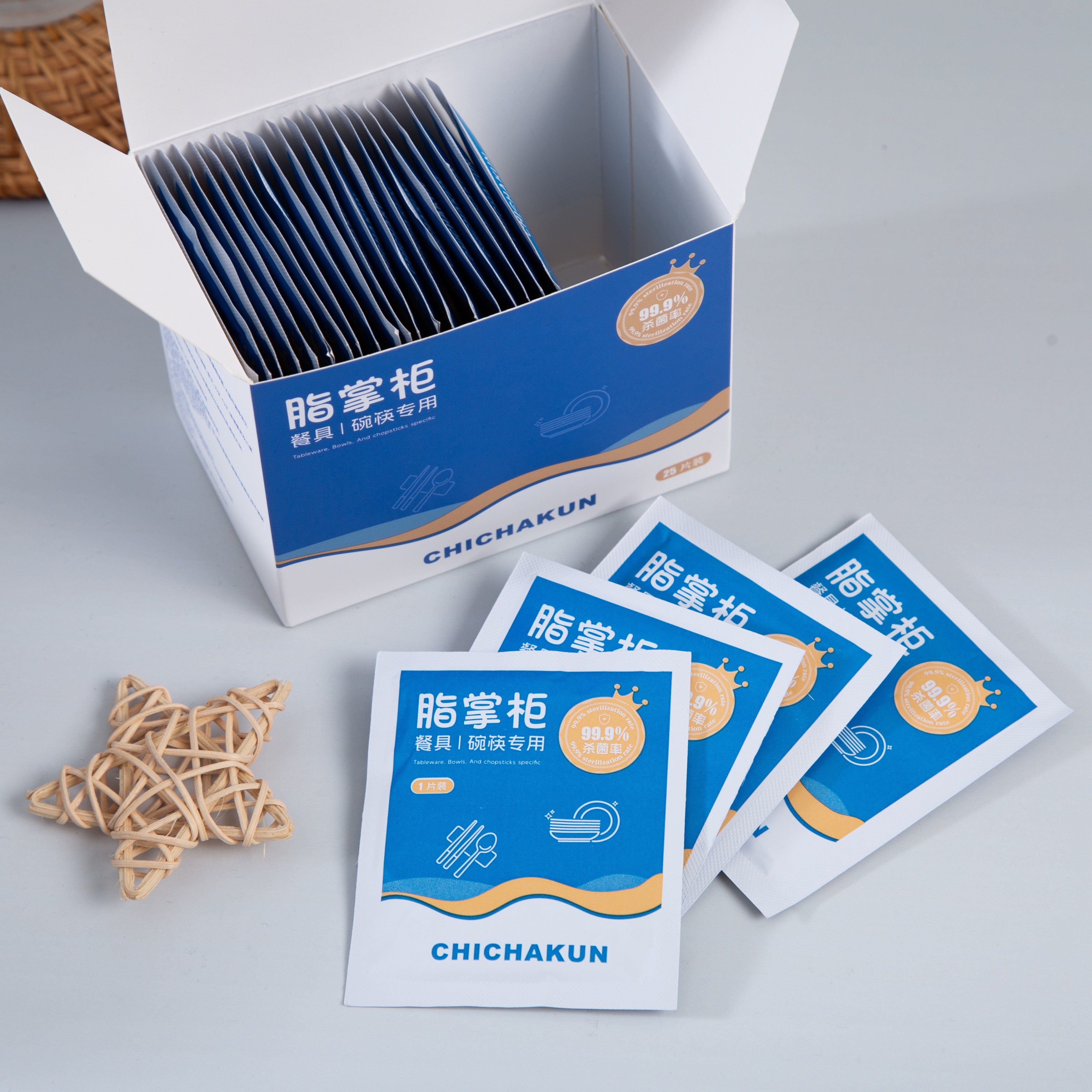
Understanding OEM and ODM in the Wipes Industry
OEM and ODM are two manufacturing models widely used in consumer goods. In an OEM arrangement, a factory produces goods based on a brand’s specific design, formulation, and requirements. In contrast, ODM manufacturers take a more active role, offering ready-made product designs that brands can customize and sell under their own labels.
In the wet wipes sector, both models are highly prevalent. Many emerging and established brands rely on OEM or ODM partners to accelerate product launches and reduce operational complexity.
For example, a startup brand looking to enter the skincare market may collaborate with an ODM manufacturer to develop Facial Cleansing Wipes, selecting from pre-tested formulas and packaging designs. Meanwhile, larger brands may use OEM services to produce customized Toilet Flushable Wipes tailored to their proprietary standards.
Speed to Market and Cost Efficiency
One of the biggest advantages of OEM/ODM manufacturing is speed. Developing a product from scratch can take months or even years, involving research, testing, and regulatory approvals. By leveraging existing manufacturing expertise, brands can significantly shorten this timeline.
This is particularly important in fast-moving categories like wet wipes, where consumer preferences evolve quickly. Products such as Mop Wipes, designed for convenient floor cleaning, have seen rapid growth in recent years. OEM and ODM partners enable brands to quickly respond to these trends without investing heavily in their own production facilities.
Cost efficiency is another major factor. Building and maintaining manufacturing plants requires substantial capital investment. By outsourcing production, brands can focus on marketing, distribution, and customer engagement while leaving the technical aspects to specialized manufacturers.
Innovation Driven by Manufacturers
Contrary to the perception that OEM/ODM models limit creativity, many manufacturers are actually at the forefront of innovation. With extensive experience across multiple clients and markets, these factories often develop new materials, formulations, and packaging solutions.
For instance, advancements in biodegradable fabrics and skin-friendly ingredients are frequently pioneered by manufacturers before being adopted by brands. This is particularly evident in products like Facial Cleansing Wipes, where consumers demand both effectiveness and gentleness.
Similarly, the development of more dispersible materials for Toilet Flushable Wipes is largely driven by manufacturing innovation, as companies work to address environmental concerns and regulatory requirements.
In the household cleaning segment, Mop Wipes have evolved from simple disposable cloths into high-performance products capable of trapping dust, absorbing liquids, and even delivering antibacterial properties—all thanks to ongoing R&D efforts by OEM and ODM providers.
Quality Control and Brand Responsibility
While OEM and ODM models offer numerous benefits, they also present challenges—particularly in quality control. Since production is outsourced, brands must ensure that their manufacturing partners adhere to strict standards.
This includes verifying raw material sourcing, monitoring production processes, and conducting regular inspections. For hygiene-related products, such as Facial Cleansing Wipes and Toilet Flushable Wipes, maintaining safety and compliance is critical.
Brands are increasingly investing in closer partnerships with manufacturers, including on-site audits and collaborative quality management systems. Transparency and traceability have become key priorities, especially as consumers demand greater accountability.
The Rise of Private Label and E-Commerce
The growth of e-commerce has further accelerated the adoption of OEM/ODM models. Online platforms have lowered barriers to entry, enabling smaller brands and private labels to compete with established players.
Private label products, often produced by ODM manufacturers, are gaining popularity due to their competitive pricing and fast turnaround times. Categories like Mop Wipes and Toilet Flushable Wipes are particularly well-suited to this model, as they are frequently purchased as everyday essentials.
At the same time, branding and differentiation remain crucial. Even when products are manufactured by the same factory, companies must find ways to stand out through packaging, storytelling, and customer experience.
Sustainability and the Future of Manufacturing
As environmental concerns grow, OEM and ODM manufacturers are under increasing pressure to adopt sustainable practices. This includes using biodegradable materials, reducing plastic in packaging, and improving production efficiency.
Brands, in turn, are selecting partners based not only on cost and capability but also on environmental performance. This shift is influencing the entire supply chain, from raw material sourcing to final product delivery.
In the coming years, sustainability is expected to become a defining factor in the OEM/ODM landscape, particularly for widely used products like Facial Cleansing Wipes, Toilet Flushable Wipes, and Mop Wipes.
Conclusion
OEM and ODM manufacturing have become the backbone of the global wet wipes industry, enabling rapid growth, innovation, and market responsiveness. While these models operate largely behind the scenes, their impact is visible in the wide variety of products available to consumers today.
From skincare to household cleaning, items such as Facial Cleansing Wipes, Toilet Flushable Wipes, and Mop Wipes demonstrate how collaboration between brands and manufacturers can deliver both convenience and performance.
As the industry continues to evolve, the success of OEM and ODM partnerships will depend on balancing speed, quality, and sustainability—ensuring that the products shaping modern hygiene meet the expectations of an increasingly discerning global market.