

As the global hygiene market continues to evolve, one trend is becoming increasingly clear: different consumer groups are using wet wipes in distinctly different ways. From young urban professionals to new mothers and male consumers, preferences are diverging based on lifestyle, priorities, and daily routines. This shift is not only reshaping product development but also redefining how brands position categories such as pet wipes, kitchen cleaning wipes, toilet flushable wipes, and baby cleaning wipes.
Young Consumers: Convenience and Lifestyle First
Among Gen Z and millennial consumers, wet wipes are closely tied to convenience and mobility. This demographic tends to lead fast-paced, on-the-go lifestyles, where portability and multifunctionality are key.
For young adults, wipes are often used beyond their original purpose. Baby cleaning wipes, for instance, are widely adopted for facial cleansing, makeup removal, or quick hand cleaning during commutes. Their gentle formulation makes them appealing for everyday personal care.
At the same time, rising pet ownership has driven demand for pet wipes, particularly among urban dwellers who frequently walk their dogs or travel with pets. These wipes provide a quick solution for maintaining cleanliness without disrupting busy schedules.
Social media has further reinforced these habits. Hygiene is increasingly linked to self-image and lifestyle presentation, making wet wipes a staple in bags and daily carry kits.
Mothers: Safety, Sensitivity, and Trust
For mothers—especially those with infants—wet wipes are not just convenient products but essential caregiving tools. In this group, safety and product quality take precedence over all other factors.
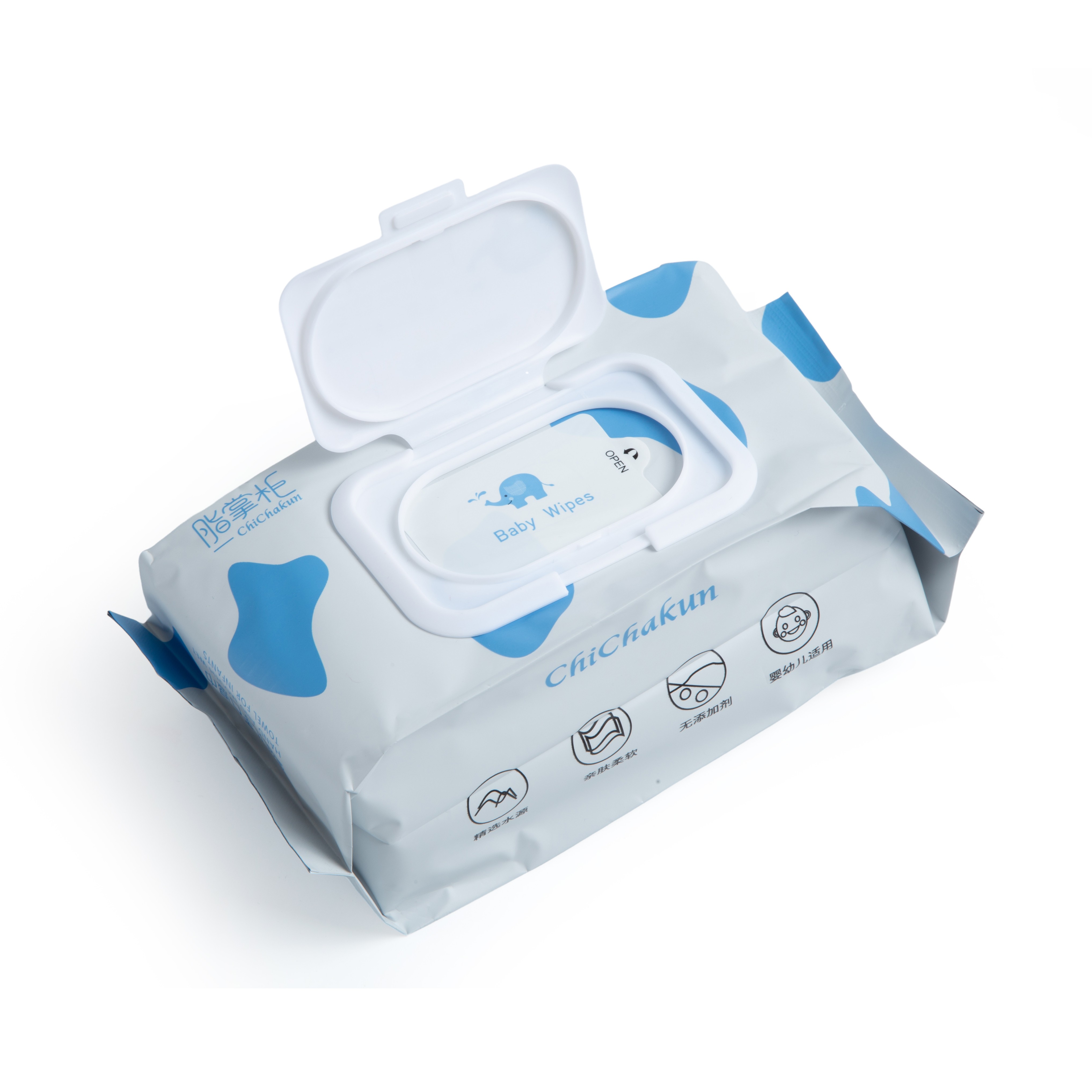
Baby cleaning wipes dominate usage in this segment, with parents paying close attention to ingredients, certifications, and dermatological testing. Hypoallergenic formulas, fragrance-free options, and high water content are often key selling points.
Mothers also tend to use wipes in multiple caregiving scenarios beyond diaper changes. From cleaning toys and surfaces to wiping hands and faces during outings, wipes become a versatile solution for maintaining hygiene in unpredictable situations.
Interestingly, many mothers extend their use of wipes into household cleaning. Products like kitchen cleaning wipes are valued for their ability to quickly sanitize surfaces, especially in homes where cleanliness is closely linked to child safety.
Trust plays a crucial role in purchasing decisions. Mothers are more likely to remain loyal to brands that demonstrate transparency and consistent quality.
Male Consumers: Functionality and Simplicity
In contrast, male consumers typically approach hygiene products with a focus on functionality and ease of use. While historically less engaged in personal care categories, men are increasingly adopting wet wipes as part of their daily routines.
One of the fastest-growing segments among male users is toilet flushable wipes, which are often marketed as providing a more thorough and comfortable alternative to traditional toilet paper. These products appeal to men seeking straightforward, effective hygiene solutions without added complexity.
Men are also showing growing interest in kitchen cleaning wipes, particularly among those living independently. The appeal lies in their simplicity—no need for multiple cleaning tools or elaborate processes.
Unlike young consumers, who may experiment with different uses, or mothers, who prioritize safety, male users tend to favor products that clearly communicate purpose and efficiency. Minimalist packaging and direct messaging often resonate more strongly with this group.
Overlapping Needs, Distinct Priorities
While all three groups value cleanliness, their motivations differ significantly. Young consumers emphasize convenience and lifestyle alignment, mothers prioritize safety and reliability, and men focus on practicality and efficiency.
These differences are driving product diversification within the wet wipes market. Brands are increasingly segmenting their offerings, creating specialized products tailored to each group’s unique needs.
For example, pet wipes cater to younger pet owners, baby cleaning wipes remain central to parenting routines, kitchen cleaning wipes bridge household and caregiving needs, and toilet flushable wipes appeal strongly to male consumers seeking enhanced personal hygiene.
Market Implications and Future Outlook
The growing segmentation of wet wipe usage presents both opportunities and challenges for manufacturers. On one hand, it allows for targeted innovation and marketing strategies. On the other, it requires a deeper understanding of consumer behavior and expectations.
As awareness of hygiene continues to rise globally, demand for specialized products is expected to increase. At the same time, concerns around sustainability and product safety will remain critical factors influencing purchasing decisions across all demographics.
Brands that can successfully balance convenience, performance, and environmental responsibility will be best positioned to capture long-term growth.
Conclusion
The wet wipes market is no longer defined by a one-size-fits-all approach. Instead, it reflects a complex landscape shaped by diverse consumer needs and lifestyles.
From the convenience-driven habits of young adults to the safety-focused choices of mothers and the practicality preferred by men, products like pet wipes, kitchen cleaning wipes, toilet flushable wipes, and baby cleaning wipes are evolving to meet specific demands.